
Flagstaff's median sale price is sitting right around $700,000 as of spring 2026, up 3.9% year over year per Redfin. Homes are averaging about 59 days on market, up from 44 days a year earlier. Prices grinding modestly higher while sales slow down is the textbook picture of a market coming into balance, and it changes how you should approach a purchase this year, especially a new-construction purchase.
Here is the full mid-2026 picture, with the numbers sourced, and what I would actually do with them if I were the one buying.
The Headline Numbers
Three price figures matter, and they measure different things, so don't let anyone quote you just one.
The citywide median sale price, all property types, was about $700,000 over the three months through April 2026, up 3.9% year over year, per Redfin's Flagstaff market data. That is the midpoint of everything that actually sold: condos, townhomes, and detached homes together.
Zillow's home value index for Flagstaff sits near $668,000, up about 1.6% over the past year. That is a modeled estimate of all homes, not just the ones that sold, which is why it runs a bit below the sale median.
The single-family detached median is the one that surprises relocating buyers: roughly $794,000 for 2025 per local MLS trend reporting, up from about $771,000 in 2024. If you specifically want a detached house on its own lot in Flagstaff, that is the number to anchor on, not $700K.
Days on Market: 59, and Why That's Good News for Buyers
A year ago, the typical Flagstaff listing went under contract in about 44 days. Now it is about 59. That is not a crash signal, prices are still up 3.9%, it is the market exhaling after the early-2020s frenzy.
Practically, it means you can tour a home twice. You can sleep on it. You can get a real inspection, compare a resale against a builder's model home, and run your payment math without a same-day-offer gun to your head. Buyers have more negotiating room right now than at any point since 2019, and sellers, including builders, know it. This is what "balanced" looks like, and it is a genuinely reasonable environment to make a careful decision in.
Why Flagstaff Prices Hold Up With Flat Population
Here is the part of the Flagstaff story most out-of-town coverage gets wrong. Flagstaff is not a boom town. The population is about 77,260 as of 2025 and essentially flat year over year. Prices here are not being driven by a stampede of new residents.
They are driven by supply, or the lack of it. About 73% of the land surrounding Flagstaff is national forest, with state trust, tribal, and observatory-protected land taking up much of the rest. There is simply very little dirt to build on. The city itself estimates a shortage of roughly 8,000 homes by 2031 per its 10-Year Housing Plan, and it declared an affordable-housing emergency back in 2020.
Layer on the demand that does exist even without population growth: second-home buyers escaping Phoenix summers, more than 2,700 active short-term rental listings competing for housing stock, and the steady institutional pull of NAU (28,468 students), W.L. Gore (about 2,900 regional employees), and Flagstaff Medical Center. Flat population, structural undersupply, persistent demand. That is why a market with almost no growth still appreciates.
Before I got my real estate license, I was a construction superintendent and project manager for Capstone Homes here in Flagstaff. I can tell you from the dirt side that the supply constraint is not a talking point, it is a daily reality. Buildable lots inside city limits are scarce, entitlements take years, and every new neighborhood that opens has been in the pipeline far longer than buyers realize. When people ask me if a wave of new inventory is coming to relieve prices, the honest answer is: not in this terrain.
The 2026 Forecast: Boring, in a Good Way
Forecasts for Flagstaff in 2026 cluster around 3 to 4% appreciation, a stable, low-single-digit year after the volatility of the early 2020s. Nobody credible is predicting a spike, and the supply picture argues against a meaningful decline.
What that means for timing: waiting is unlikely to be punished severely, and it is equally unlikely to be rewarded. At 3 to 4% on a $700,000 median, a year of waiting costs roughly $21,000 to $28,000 in price, before you count another year of rent. The right question in a market like this is not "when does the market bottom," it is "which home fits, and what payment can I actually carry." The mortgage calculator will do the payment half of that math for you.
What This Means for New-Construction Buyers
Now the part I spend my days on. Flagstaff's new-construction inventory is concentrated in a handful of communities, and the balanced market changes the calculus in a few specific ways.
New homes are pricing near the detached-resale median
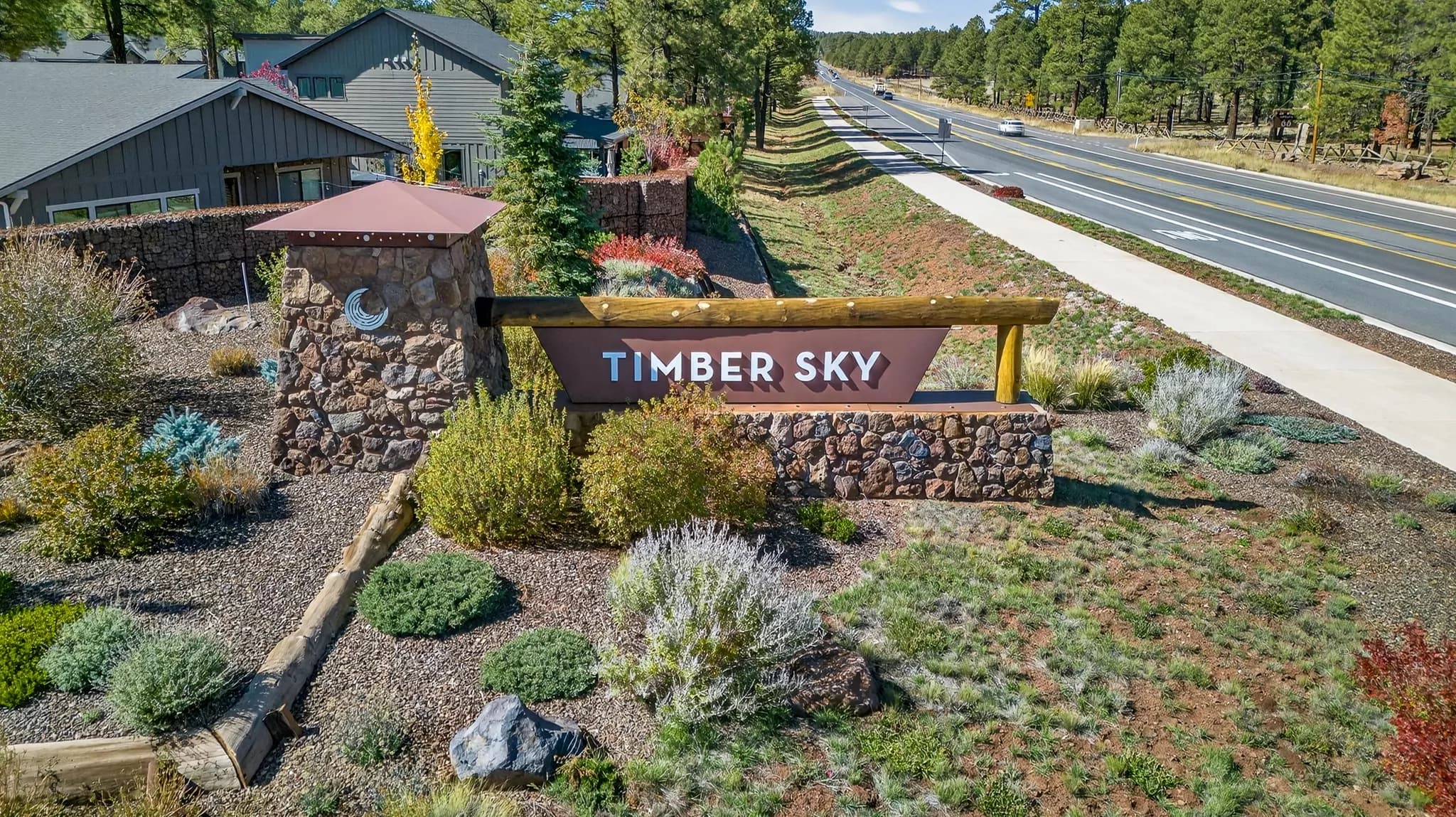
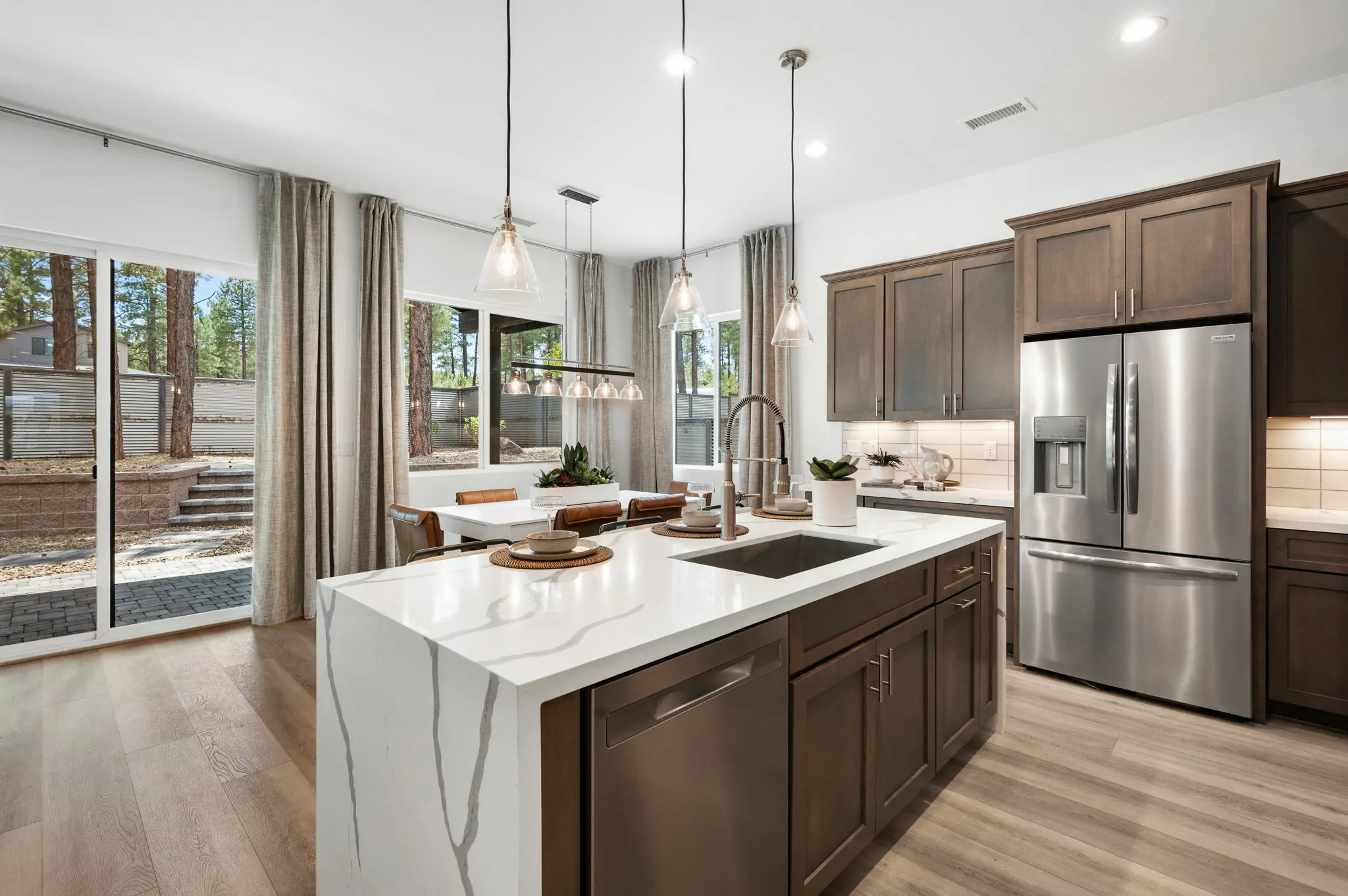
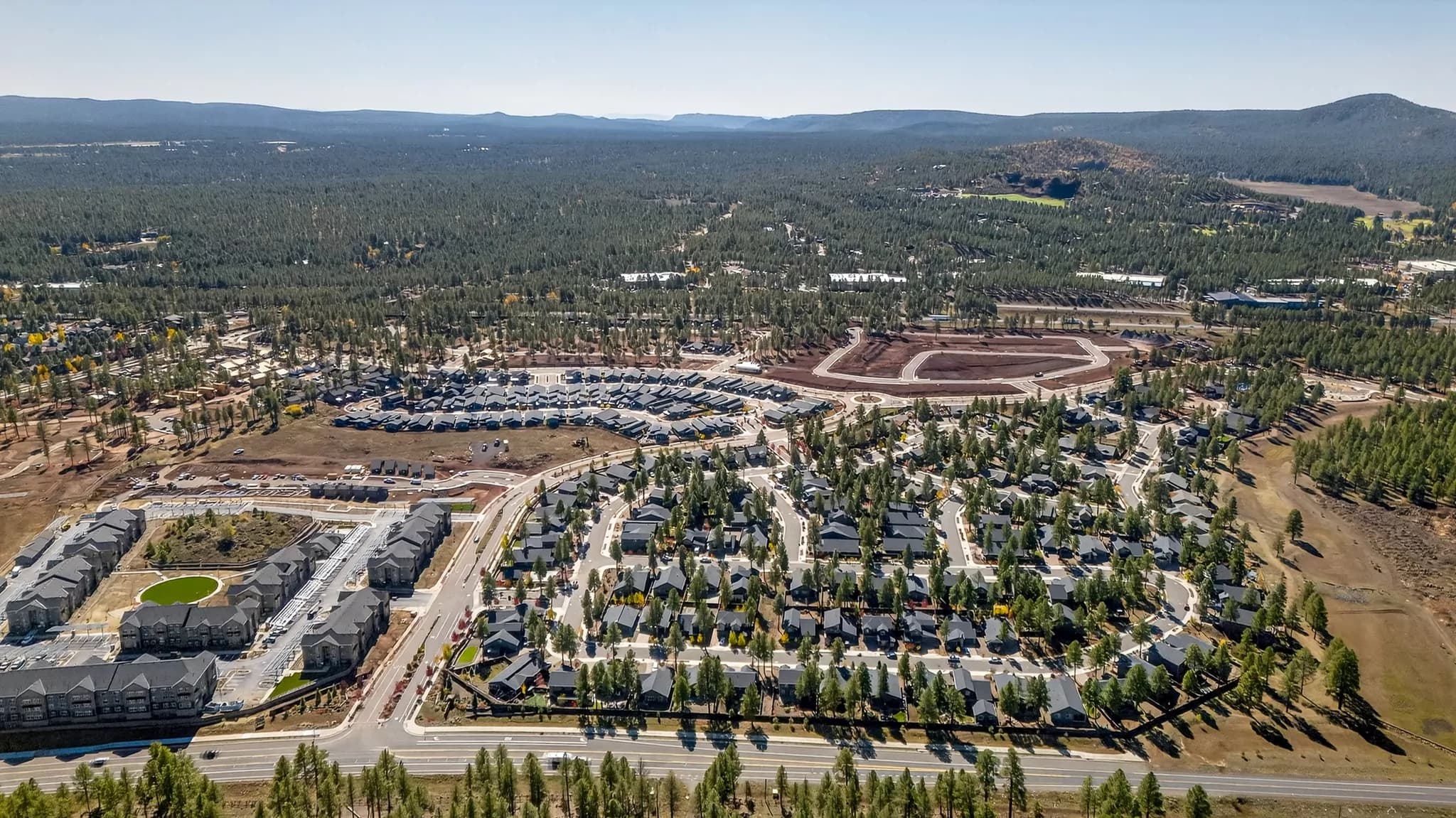
Remember that roughly $794,000 single-family-detached median. Capstone's Corvus neighborhood at Timber Sky starts at $714,900, and Sirius starts at $785,900. In other words, a brand-new home with a full builder warranty and current energy code is available at or below the median price of a detached resale in this market. That is not a sales line, it is just how the 2025 to 2026 numbers shake out, and it is unusual. In most markets, new construction carries a hefty premium over the resale median. See what is currently available on the homes page.
Read base price and finished-inventory price separately
Builders publish base prices for to-be-built homes. Finished, move-in-ready homes carry their finished price. At The Point at Canyon del Rio, for example, base pricing starts at $653,900, but the current quick move-in homes run about $888,000, because they are larger plans with lots and finishes already baked in. Neither number is wrong. They answer different questions: "what can I build" versus "what can I close on this fall." Make sure whoever you're working with is quoting the one that matches your timeline.
Close-outs behave differently
The Ridge at Canyon del Rio is down to its final home or two. Close-out phases are not the place for a leisurely six-month decision, when they're gone, they're gone, but they can also be where a builder is most motivated to finish a community. If a close-out home happens to fit, it deserves a look.
A balanced market is when builder conversations get interesting
When homes sold in a weekend, builders had no reason to negotiate anything. At 59 days on market, conversations about finished inventory, closing timelines, and design selections have more room in them. I won't promise you incentives that may not exist by the time you read this, but I will say: mid-2026 is a better environment to have those conversations than any recent year.
The Bottom Line
Flagstaff mid-2026: a $700,000 median, 59 days on market, flat population, a structural housing shortage, and a 3 to 4% appreciation forecast. Balanced, supply-constrained, stable. Not a market that rewards panic in either direction.
If you're weighing new construction, start with the 2026 new homes guide for the full community-by-community picture, or browse the communities directly. And if you want the current month's actual pricing and inventory rather than an article's snapshot, reach out. I track this market every working day, and I'd rather give you today's numbers than let you plan around last quarter's.